







Search Results for: Turning Point
A Complete Guide to Roasting Curve Parameters: From Turning Point to First Crack, a Step-by-Step Explanation of the Key Milestones
The roasting process of every coffee bean requires detailed recording of curve data, including the turning point, heat adjustments, temperature changes, and first crack time. These data are not only the basis for reproducing flavor, but also an important reference for roasters to understand the characteristics of the beans. This article will break down the key nodes in the roasting curve one by one—from the preheating drum temperature setting, the coordination of heat and airflow, to the turning point, yellowing point, Maillard reaction, caramelization reaction, and then to the determination of first crack and the calculation of the rate of rise—to help you build a clear logic for reading roasting curves. At the end, using [Front Street Jamaica Blue Mountain] as an example, it shows how to design the roasting rhythm according to the nature of the beans, so that acidity, body, and aroma reach a delicate balance. [more…]
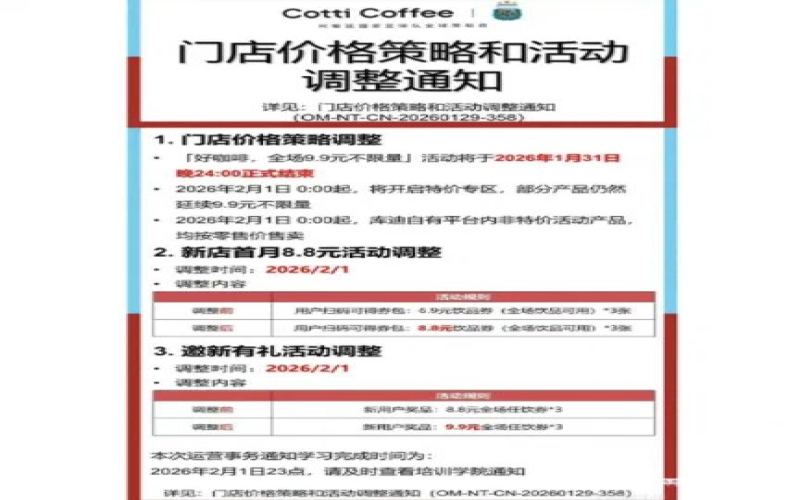
Cotti Coffee officially ends its sitewide unlimited 9.9 yuan promotion, coffee industry price war may be nearing a turning point
Recently, a "Notice on Store Pricing Strategy and Promotion Adjustments" for Cotti Coffee circulating on social media has drawn widespread attention. The notice shows that Cotti will end its "9.9 yuan unlimited across the board" promotion at 24:00 on January 31, and switch to a special-offer section model starting February 1, with only some products continuing at 9.9 yuan unlimited, while other non-discounted products will be sold at retail prices. New-store first-month promotions and refer-a-friend rewards will also be adjusted accordingly. As the brand that kicked off the 9.9 yuan price war in February 2023, does this move by Cotti signal a turning point for China's coffee price war? Consumers, franchisees, and industry observers are all watching closely. [more…]
Front Street Costa Rica Mozart Roast Log: A Comparison of Six Batches Across Two Approaches, with Brewing Recommendations
When faced with a new bean, roasters typically start by gathering origin information and the flavor descriptions provided by the green bean supplier, then gradually adjust through test roasts and cupping. Front Street Coffee Costa Rica Mozart is known for its unique raisin honey process and complex aroma. This article documents the complete roasting exploration process for this bean: first, three test roasts were conducted using a stepwise decreasing heat and extended dehydration approach, but cupping revealed the flavor was rather light; subsequently, three more roasts were done using rapid dehydration and increased heat to drive aroma, and ultimately a curve combining floral notes and fermented winey aroma was selected. The article also includes pour-over extraction parameters and brewing techniques for coffee enthusiasts' reference. [more…]
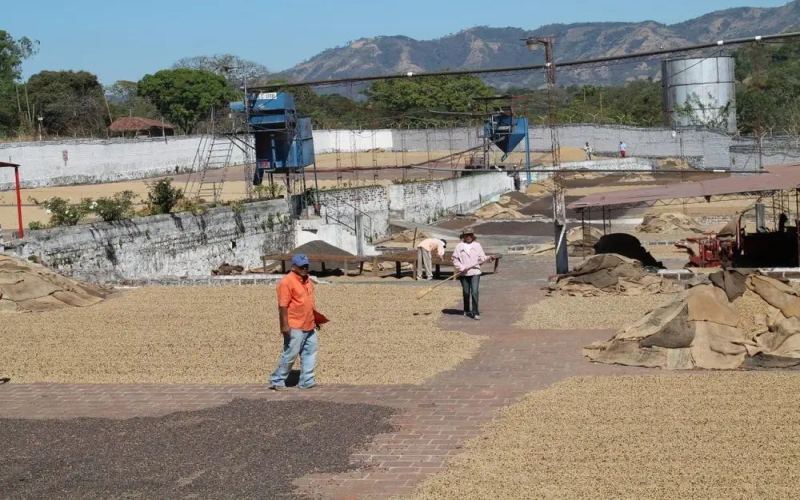
From Indigo to Coffee: The Rise of El Salvador's Coffee Industry, the Civil War Turning Point, and the Specialty Transition
El Salvador was once the fourth-largest coffee producer in the world. After coffee was introduced in 1880, it quickly replaced indigo as the country's most important export crop and economic pillar. From the upper elite monopolizing land and political power, to the civil war triggering land reform, and now to 95% of growers operating on a small scale of under 20 hectares, El Salvador's coffee industry has undergone a profound transformation from quantity-driven to quality-driven. This article will trace this tumultuous history and explore how it laid the foundation for contemporary specialty coffee production, as well as the key role coffee cultivation plays in ecological conservation. [more…]
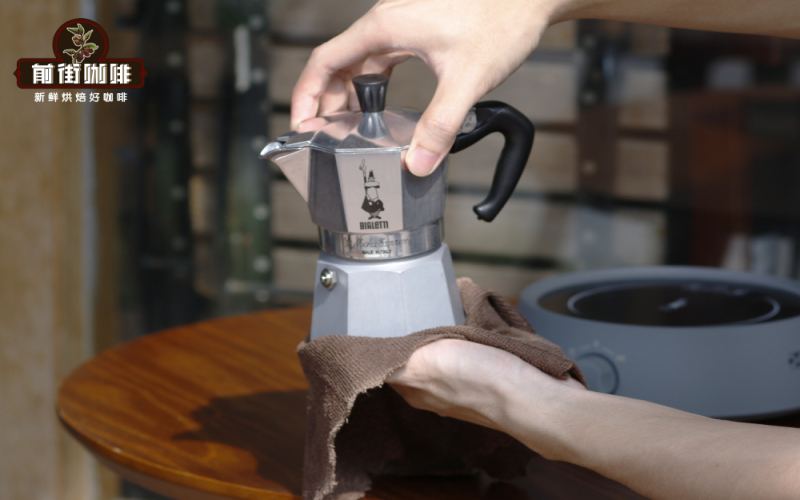
The Complete Moka Pot Brewing Guide: Coffee Bean Selection, Coffee-to-Water Ratio, and Timing for Turning Off the Heat
As a classic household coffee device, the moka pot seems simple to operate, but the details often determine success or failure. This article focuses on five core points of moka pot brewing: how to choose suitable coffee beans, what range the grind size should be controlled within, how to manage the coffee-to-water ratio, when is the most appropriate time to turn off the heat, and whether the lid needs to be opened during brewing. The article also specifically recommends three coffees suitable for the moka pot, including Front Street Coffee Classic Italian Blend, Brazil Queen Estate Yellow Bourbon, and Indonesia PWN Golden Mandheling, and includes suggestions for drinking the brewed coffee liquid. Whether you are a beginner who has just come into contact with the moka pot or an enthusiast who wants to refine your skills, you can gain practical reference from it. [more…]
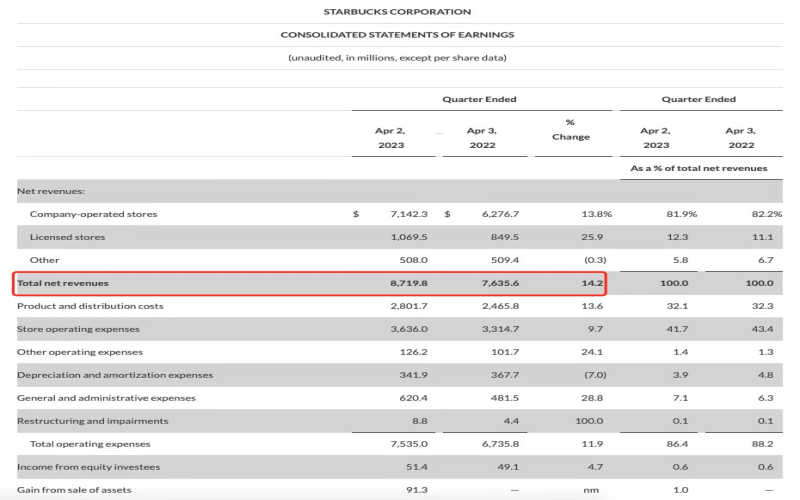
Starbucks reports dual growth in revenue and profit for Q2 of fiscal year 2023, with same-store sales in the Chinese market reaching a turning point.
Starbucks recently released its second-quarter results for fiscal year 2023, with both global consolidated revenue and net profit achieving year-over-year growth, while same-store sales in the Chinese market turned positive for the first time since the third quarter of fiscal year 2021. Against the backdrop of accelerating store expansion, optimistic remarks from the founder, and the rapid growth of competitor Luckin Coffee, whether Starbucks can ride this momentum to steadily advance its 2025 China market strategic vision is worth watching. [more…]
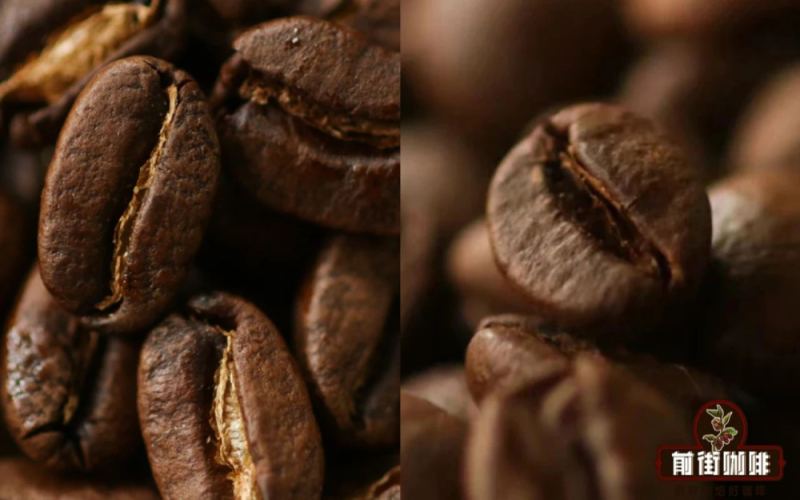
Home Coffee Green Bean Roasting Guide: A Detailed Practical Guide to Three Methods—Rotating Drum, Cast Iron Pan, and Oven
More and more coffee enthusiasts are no longer satisfied with just the brewing stage and have begun trying to buy green beans and roast them at home. But once the green beans are in hand, how to proceed leaves many people stumped. Drawing on the hands-on experience of Front Street Coffee, this article systematically lays out the complete approach to home roasting: from heat control and stirring rhythm, to identifying first crack and second crack and deciding when to stop the roast, to the pros, cons, and techniques of three tools—the roaster drum, the iron wok, and the electric oven—along with a time comparison for roasting the same Brazil Cerrado Red Bourbon on a professional roaster versus a roaster drum. Whether you just want a novel experience or are serious about roasting a batch of beans that is actually drinkable, you will find practical references here. [more…]

Starbucks Reserve Roastery Bids Farewell to the Princi Brand: A Turning Point and Reflection on the High-End Dining Integration Strategy
Starbucks recently decided to remove the Italian bakery brand Princi from eight of its Reserve Roasteries in the United States and China, a move that has drawn widespread attention. Since the partnership began in 2016, Starbucks had sought to use Princi to deeply integrate coffee, baking, and dining, creating a unique third-place experience. However, affected by the pandemic and policy, Princi's standalone stores were closed one after another. Now that the brand has withdrawn from the roasteries, it not only means that the goal of global expansion has fallen through, but also reflects a setback in Starbucks' vision of premiumization and expansion of its food product line. New CEO Brian Niccol has promised a return to the positioning of a community coffee shop, and this decision had already been finalized before he formally took over. Starbucks' move may be a response to current sales challenges, but the specific reasons were not disclosed in an internal memo. [more…]
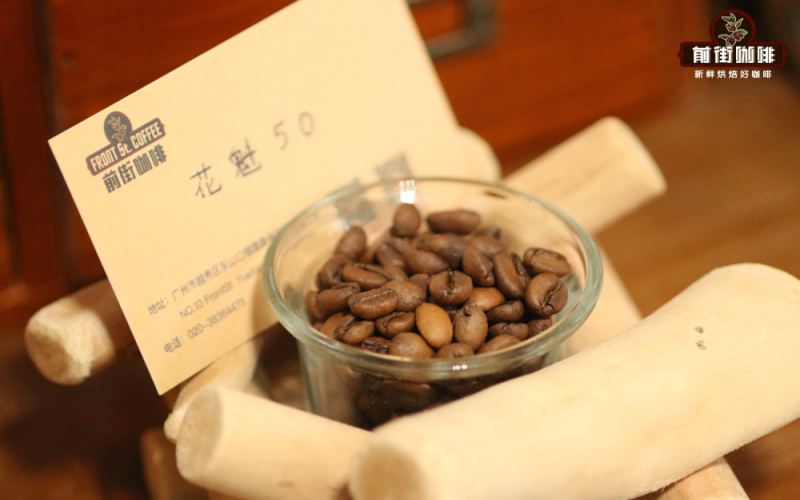
Ethiopian Huakui Coffee Flavor Evolution and Pour-Over Parameters: A Comprehensive Comparison from 5.0 to Small-Bean Huakui
The 2021 new-crop Huakui 5.0 coffee beans arrived at port as scheduled, and Front Street Coffee completed roasting and cupping at the first opportunity, then compared them in brewing with the much-loved Small-Bean Huakui. This article provides a detailed analysis of the flavor differences between the two beans, pour-over parameters, traces the origin of the name Huakui and the natural processing method, reviews the flavor evolution of Huakui versions 2.0 through 5.0, and includes the complete roasting records of Front Street’s five Sidamo Huakui lots. Whether you want to understand the past and present of Huakui or are looking for a reliable brewing plan, this article offers thorough and practical reference. [more…]

Luckin's 2021 revenue approached 8 billion, store count surpassed Starbucks China, and the profitability turning point is approaching.
Luckin Coffee's total net revenue for the 2021 fiscal year reached 7.965 billion yuan, a year-on-year surge of 97.5%, with fourth-quarter revenue of 2.4327 billion yuan, an increase of 80.7%. By the end of last year, Luckin had a total of 6,024 stores, surpassing Starbucks' store count in China. Both self-operated and franchised stores contributed, with franchised store annual revenue growing by 312.5%, and lower-tier markets making a significant contribution. Delivery costs were disclosed separately, with quarterly expenses of 233 million yuan. Non-GAAP operating loss narrowed to 23.6 million yuan, with profitability close at hand. After completing the interim liquidation, Luckin expects costs related to fraudulent transactions to significantly decrease in the second quarter of 2022. There is continued external interest in its return to the Nasdaq main board. [more…]

Starbucks Year of the Dragon cup sleeves break convention, marking a turning point in co-branded packaging strategy
Collaboration campaigns by coffee chains usually come with limited-edition cup sleeves, stickers, and paper bags, while Starbucks has long stuck to its classic brown paper bags and green logo, a habit consumers jokingly call "unchanged for a decade." Yet during the Chinese New Year of the Dragon, Starbucks unexpectedly rolled out three limited-edition dragon-year cup sleeves, sparking widespread discussion. Netizens jokingly dubbed this move "a decision that betrays the ancestors," and it was also seen as a new attempt by Starbucks at localizing in the Chinese market. Against the backdrop of accelerating store expansion into lower-tier cities and insisting on not engaging in price wars, can Starbucks win over more consumers through limited-edition packaging? This article takes you through the details. [more…]

Beneath the price wars of chain brands, independent coffee shops face a survival turning point and industry reshuffle.
When major chain coffee brands launched an all-out price war, independent coffee shops were pushed to the brink of survival. Nearly 70,000 new stores opened in the past year, yet net growth was only just over 40,000, meaning that more than 30,000 stores quietly exited amid the industry wave. From closing notices saying "We've graduated" to store owners each seeking their own way out—transferring their shops to cut losses, offering discounts, building differentiation, or even leaving the coffee industry altogether—the survival plight of independent coffee shops can no longer be avoided. An imbalance between supply and demand, consumers' growing preference for standardized chain brands, and cutthroat price competition—these factors together form the real picture of today's coffee market. This article examines the many faces of independent coffee shops under siege by chain brands and explores the logic behind the industry reshuffle and the way forward. [more…]

Manner may open up franchising by the end of March? Internal research leaks, direct-operation model faces a turning point
Recent news suggests that Manner Coffee may open franchising by the end of March this year, a rumor that has been circulating among baristas. According to multiple employees, the brand has internally conducted a survey on franchise willingness, and CEO Jin Binbin mentioned this in a partner group and distributed a questionnaire. Although insiders officially state that it is currently only an internal survey with no plans to open franchising, some employees say franchising might be launched in mid-to-late March. As the fifth-largest chain brand in China by number of stores, Manner has always adhered to direct operation; if it truly shifts to franchising, the underlying logic and its suitability for lower-tier markets are worth attention. [more…]
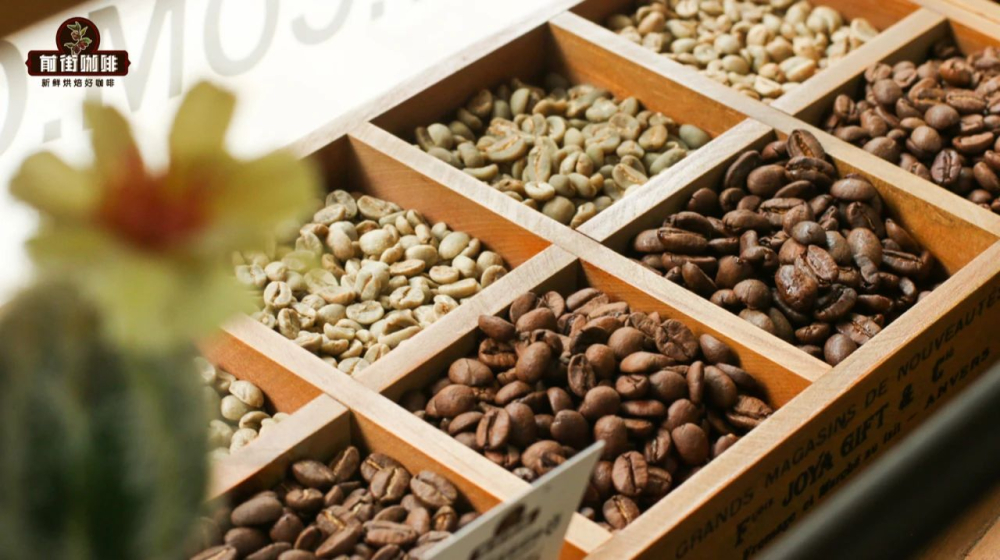
Home Coffee Roasting | How Can Coffee Beginners Learn to Roast Coffee Beans? A Comparison Table of Eight Different Roast Levels and Their Flavor and Taste Differences
I believe many of you not only enjoy drinking coffee but have also developed an interest in coffee roasting. While surfing the internet, Front Street Coffee often sees people sharing their home coffee roasting process on social media. However, we also notice that some [more…]
How to Determine the Roast Level of Blue Mountain Coffee? A Detailed Guide to Front Street Coffee's Jamaican Blue Mountain No. 1 Roast Curve and Key Milestones
Roasting is the core stage that determines the direction of coffee flavor. Green beans must be roasted before they can be consumed, and the degree of roasting often influences eighty percent of the final taste performance. This article takes Front Street Jamaican Blue Mountain coffee as an example, starting from key nodes such as charge temperature, heat adjustment, turning point, yellowing point, first crack, and rate of rise, to analyze in detail the design approach of the roasting curve for Blue Mountain No. 1 coffee beans. The article also combines the specific characteristics of Blue Mountain coffee, such as screen size above 17, defect rate below 3%, and moisture content of about 13%, to explain why it is suitable to adopt a steadily rising roasting method, and provides a complete operation record from charging at 170°C to dropping at 201.3°C, helping coffee enthusiasts understand how to coordinate heat and airflow to make Blue Mountain coffee present a cleaner and more layered flavor. [more…]
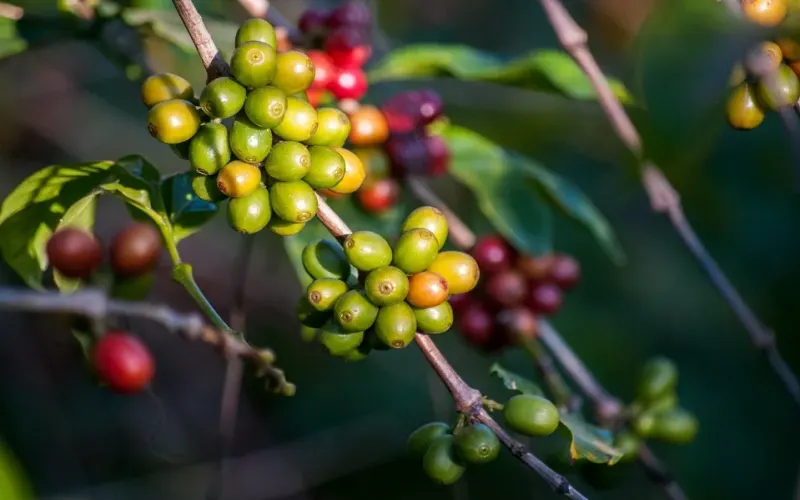
What Are the Differences Between Washed, Natural, and Honey Processing? A Detailed Explanation of the Flavor Characteristics and Operating Procedures of Three Coffee Bean Processing Methods
The flavor profile of coffee beans is largely determined by the processing method used after harvest. Washed, natural, and honey processing, as the three traditional and common coffee processing methods, each shape distinctly different expressions in the cup: washed coffees have bright acidity and high cleanliness; natural coffees have prominent sweetness and complex layers; honey processing strikes a balance between acidity and sweetness while amplifying aroma. Using three Geisha coffee beans from the Boquete producing region of Panama as samples, Front Street Coffee examines the core differences among these three processing methods one by one, from operational steps to the appearance of green and roasted beans, and also includes the brewing flavor and roasting records of each bean to help coffee enthusiasts build a clearer framework for understanding flavor. [more…]
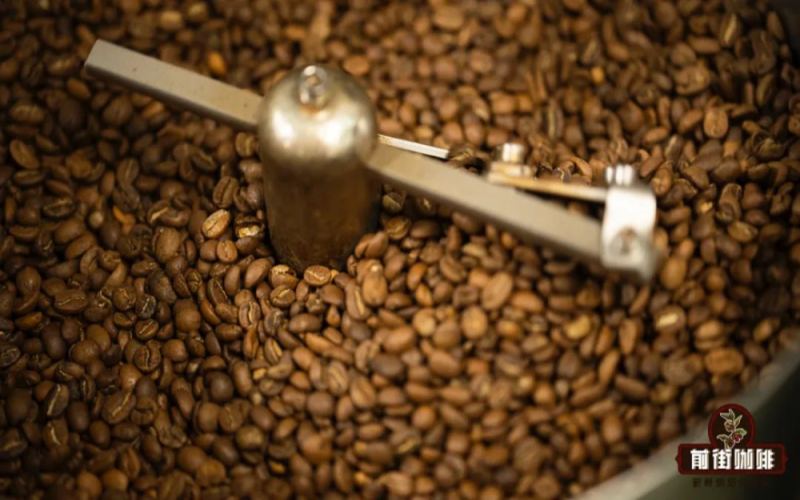
Coffee Bean Roasting for Beginners: A Complete Guide to Equipment Selection, Differences in Heat Transfer Methods, and Core Terminology
Want to learn how to roast coffee? Start by getting to know the tools and the terminology. Roasting coffee beans looks as simple as stir-frying vegetables, but doing it well requires a solid foundation of knowledge. In this article, Front Street Coffee will walk you through several common coffee roasting devices—direct-fire, semi-direct-fire, and hot-air roasters—covering their respective heat transfer principles, advantages, and drawbacks. At the same time, we'll systematically sort out the professional terms that come up during roasting, including charge point, turning point, yellowing point, first crack and second crack, as well as stage concepts like the drying phase, browning phase (Maillard), and development phase. Mastering this foundational knowledge is an important prerequisite for actually roasting beans, judging the roasting pace, and controlling the direction of flavor—and it can help you avoid detours and roast a good batch of beans faster. [more…]
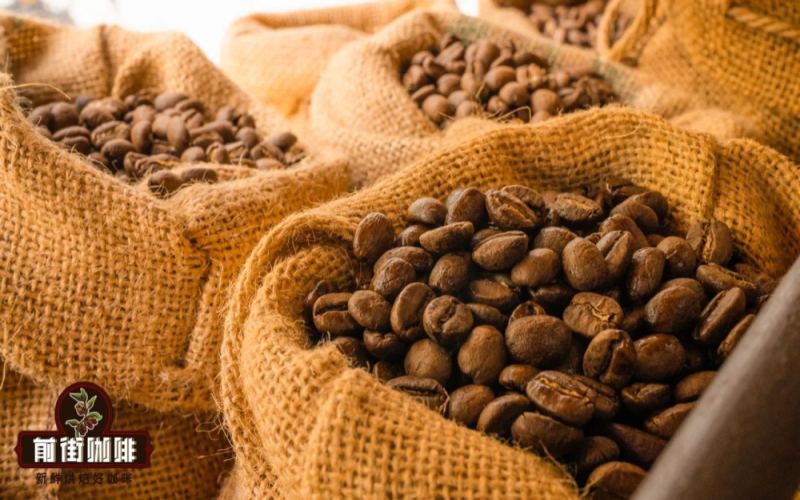
The Complete Guide to Home Coffee Bean Roasting: From Equipment Selection to First and Second Crack Determination and Detailed Flavor Differences
More and more people are no longer satisfied with just brewing and tasting—they want to control the entire process from green beans to roasted beans. But after buying green beans and bringing them home, many people have no idea how to roast them, what tools to use, or how to control the heat. This article, drawing on the practical experience of Front Street Coffee, outlines practical methods for roasting coffee beans at home: how to judge roasting progress by color and cracking sounds, what first crack and second crack each represent, how different roast levels affect flavor and mouthfeel, and the pros, cons, and precautions of three tools—the drum roaster, pan roasting, and the electric oven. After reading, you will at least understand when to adjust the heat, when you can stop the roast, and why roasting too dark is not worth recommending. [more…]
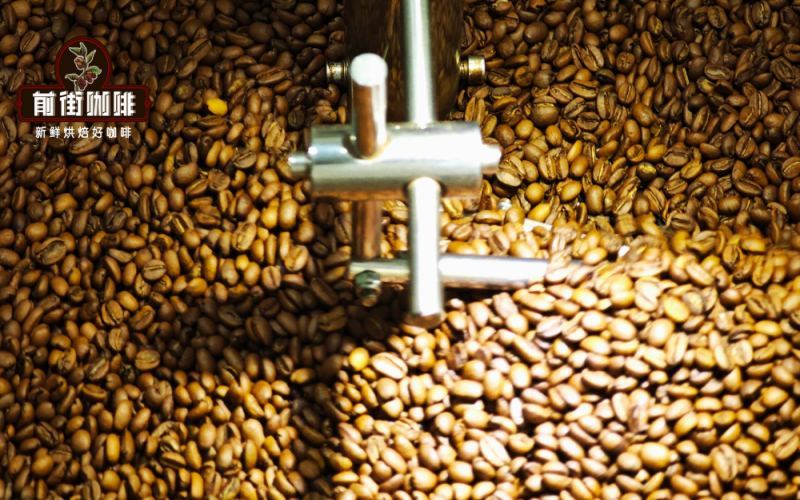
Practical Comparison of Japanese-Style Slow Roasting vs. Nordic-Style Fast Roasting: Roast Curves and Cupping Flavor Differences of Yirgacheffe Worka Red Cherry
The two major schools of coffee roasting—Japanese slow roasting and Nordic fast roasting—reflect fundamentally different philosophies of tasting: the Japanese value a rich, clean mouthfeel, while the Nordics prefer bright, elevated acidity and aroma. This time, Front Street Coffee selected the sun-dried Yirgacheffe Worka Red Cherry and, through two actual roasting curves, compares the differences between slow roasting and fast roasting one by one—from airflow and heat adjustment, the pace of temperature rise, to the appearance of the roasted beans and cupping performance. Slow roasting is like braising pork until tender, letting heat penetrate evenly; it results in a high degree of development, rounded sweetness, and a short resting period. Fast roasting emphasizes the efficiency of hot air and pursues bright floral and fruity aromas, but it demands stricter quality from the green beans. The article also introduces the origin background of the Worka cooperative and the division of labor at the Banko processing station, and, combining green bean grade, appearance consistency, and actual cupping results, sorts out the applicable scenarios and flavor orientations of the two roasting methods for coffee lovers' reference. [more…]

Luckin's dark chocolate turning cement gray sparks quality control doubts, Year of the Dragon Moutai collaboration debuts at the same time
Recently, Luckin Coffee has once again become a hot topic on social media due to the abnormal appearance of a dark chocolate drink. Some consumers reported that the dark chocolate they ordered for delivery arrived looking like cement gray, and the taste was also disappointing. Netizens have been speculating about the reasons, ranging from insufficient ingredient proportions to operational mistakes by new staff, and even the suspected mistaken use of cappuccino Frappuccino powder. Meanwhile, within less than half a year, Luckin Coffee has once again partnered with Moutai to launch a Year of the Dragon sauce-flavored chocolate latte, sending the topic's popularity soaring. With quality control controversies and co-branded marketing running in parallel, Luckin Coffee's brand management capabilities are facing a test. [more…]